by Nishit Kotak
•
12 February 2026
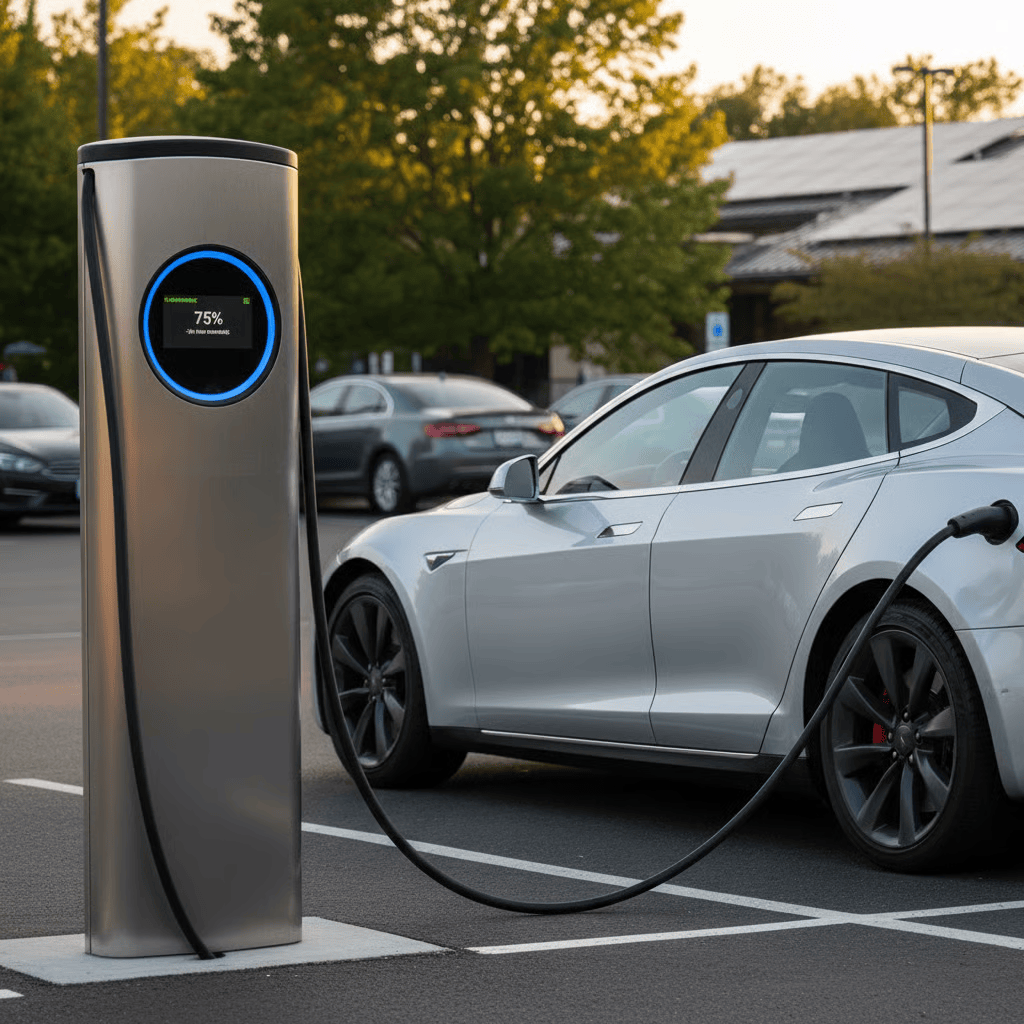
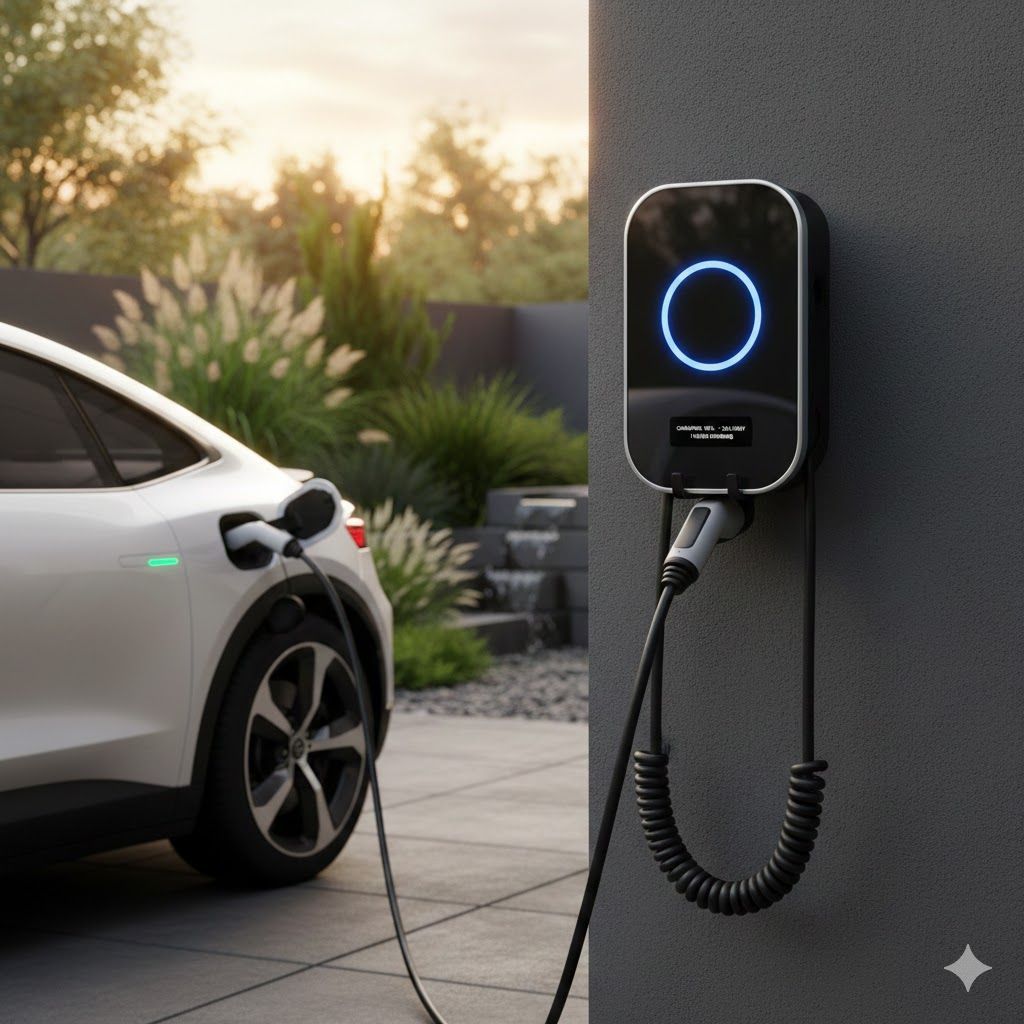
EV in renewable energy refers to electric vehicles powered by energy from cleaner sources such as wind, solar or tidal power rather than just petrol or diesel. In the UK, EVs connect with the drive to decarbonise, from congested London thoroughfares to Yorkshire backroads and the Highlands. To show how EVs are making their way into charging, the grid, home use and day-to-day, the following sections explain it in unpretentious detail. The EV and Renewable Synergy Electric vehicles sit at the heart of this silent but profound transition, where power and transport systems begin to function as one. When EVs charge from renewable energy sources like solar, wind, or hydro, they convert clean electricity into clean kilometres. Smart EV charging systems tie charging times to periods when the electric grid has the most low-carbon power available. 1. Energy Storage EV batteries are like thousands of miniature, mobile power banks scattered across the streets, car parks and driveways. Rather than one mammoth battery at a substation, each car has its own supply of power, charging when the wind blows hard off the North Sea or when roof-mounted solar panels on homes and warehouses in counties such as Cornwall or the Midlands are at their midday height. That spread of storage catches electricity which would otherwise be curtailed because generation and demand are in different places. When there’s wind in outlying areas but less demand in cities, EVs on hand can mop up some of that excess. With bidirectional charging (vehicle-to-grid, or V2G), these batteries can then supply energy back to houses, depots or local microgrids. Field-tested hybrid renewable-V2G schemes demonstrate that self-consumption increases by 15% and diesel backup by approximately 70%. EVs can increase local renewable use to more than 80% in islanded or weak grids. 2. Grid Balancing Smart charging transforms EVs into temporal, flexible loads. Instead of every car starting to charge at 18:00 when people get home, chargers can shift most demand to late evening or windy nights. This smooths peaks and cuts grid stress. Coordinated charging maintains safe voltage and frequency bands. When the wind is blowing hard, chargers can ramp up. When the grid is tight, they can stop for a bit with minimal effect on drivers. Real projects already test this idea: depots with V2G vans supporting local microgrids, community car clubs linked to solar car ports, and regional pilots where a modest 5 to 10 per cent of the EV fleet joins flexibility markets. Techno-economic studies indicate this level of participation can lower local CO₂ emissions by 5 to 8 per cent, while allowing V2G more generally can reduce system cost by about 0.75 per cent and emissions by around 4 per cent. 3. Demand Management Demand management tools link EV charging to price signals and grid constraints. Off-peak tariffs and dynamic pricing will incentivise drivers to charge when clean power is plentiful and inexpensive, such as on windy Scottish nights or sun-kissed weekend lunchtimes for homes with rooftop solar. Home chargers and workplace or retail charge points frequently have basic scheduling apps these days, so you set a ready-by time rather than a start-now button. This avoids conflicting with other large domestic loads and smooths demand at the local street-level transformer. Keeping an eye on your own charging and home consumption, even with a basic smart meter display or app, reveals a pattern that reduces bills and emissions together. 4. Carbon Reduction Charging electric vehicles (EVs) from a grid increasingly powered by renewable energy sources like wind, solar, and hydro significantly reduces their lifespan emissions. Areas that incorporate renewable electricity generation quickly often observe a decline in carbon per kilowatt-hour, even as electric car adoption rises. This trend illustrates the necessity for both the transportation sector and the energy system to evolve simultaneously to meet climate targets. Compared to traditional vehicles, electric cars tend to produce more emissions during production; however, they generate far fewer emissions during their use phase. The gap in emissions decreases as the electricity grid becomes cleaner. When fleets or electric buses transition to renewable-powered EVs, the benefits accumulate rapidly, given that these vehicles cover more miles than private cars each year. AI-led, real-time optimization through smart EV charging can yield additional savings, enabling EVs to absorb surplus energy during the day and export it during peak hours. Research shows that smart energy management at a small scale can already significantly impact local CO₂ emissions and costs. Why Smart Charging Matters Smart charging systems enable your electric vehicle and charger to communicate with the electricity grid, responding to price, time, and demand signals. This approach not only spreads electricity demand across the day and night but also significantly reduces waste. As electric cars are projected to account for around 6-7% of UK electricity demand by 2030, efficient EV charging is essential for grid stability. Green Tariffs On a green tariff, your supplier offsets your usage with electricity procured from renewable sources like wind or solar. When you couple that with a smart charger, you do not just charge at any time. You match your charging to when there is more clean power on the system, which brings your EV’s actual carbon footprint down. Opting for a green tariff in the UK begins with establishing whether your supplier is “green” in name only or whether it supports this with evidence, such as Renewable Energy Guarantees of Origin. You then look for EV-friendly terms: cheaper night-time rates, no harsh standing charges and clear off-peak windows that work with your routine. For most EV drivers, it’s worth compiling a shortlist of the best green options that match their driving and home charging profile before comparing unit rates, off-peak windows and any exit fees side by side rather than grabbing the first “eco” sticker you spot. Off-Peak Power Charging off-peak is where smart charging starts to pay. Night rates can be a fraction of the day price, so if your car can shift as much charging as possible to those hours, your monthly bill tumbles without you driving fewer miles. Off-peak charging helps the grid. When many drivers charge at 18:00, they add to peak demand and strain cables and transformers. Smart charging spreads that load into quieter hours and helps reduce the peak, which is now a requirement for all new UK smart charge points. You can use your charger’s app or the car’s own settings to set a cheap-rate window, limit the power level and even delay charging so it starts when the off-peak period begins. It is worth checking your tariff a few times a year, as prices and time bands can change. A simple adjustment to your timings can keep you on the best deal. V2G Technology Vehicle-to-grid, or V2G, takes it a step further by allowing energy to flow both ways, enabling your electric vehicle (EV) to send energy back to the grid as well as draw from it. Smart charging systems serve as the base layer here, as the system must understand when the grid is strained, when prices are high, and how much charge you still need for your next trip. With V2G, an EV can function like a miniature battery plant, soaking up cheap, often renewable energy sources when they are abundant and feeding some back in short bursts during peak demand. In exchange, owners or fleet operators can receive payments or bill credits, creating a small but genuine new income stream. Several UK pilot schemes, frequently operated by networks and carmakers around workplace depots, housing developments, and business fleets, are already experimenting with how far this model can go in balancing a grid with increasing wind power and solar energy input. Early results indicate it can alleviate peak load and balance local voltage fluctuations, contributing to a more sustainable energy system. UK's Common Renewable Sources UK electric vehicles (EVs) take power from the same mix that powers homes and industry, so their carbon story per mile relies on how “green” the grid is. Wind accounted for 29.4% of the UK’s electricity in 2023, while solar energy contributed 4.9%, hydropower 1.8%, and biomass 5%. This share will need to increase, especially since the transportation sector accounted for around 29% of UK greenhouse gas emissions in 2023, with the country committed to net-zero by 2050. There will still be hours and days when renewable energy sources cannot meet electricity demand, which is why a diverse mix and smart EV charging approaches both matter, especially as EV charging increases. Onshore Wind Onshore wind is yet another underappreciated workhorse behind smart EV charging. Those wind farms spinning away on Scottish hillsides, in the Pennines, or up in Wales hook directly into local or even regional grids, and that same juice drives community rapid chargers, retail park charging hubs, and lamp-post chargers down side streets. When the wind blows in Northern England or the Highlands, the carbon intensity of each kilowatt-hour that goes into an electric vehicle battery can plummet relative to wind-still cold evenings. Onshore wind can scale rapidly, making it a vital component of the renewable energy infrastructure needed for electrification. A new site can move from consent to first power much faster than many big power stations. Smaller community projects can connect to village substations or farmyards. That speed is crucial as EV volumes grow since regional distribution networks close to potential charging hubs can match grid upgrades with local wind capacity instead of relying solely on far-away generation. Prices matter too. Onshore wind is usually one of the cheapest sources of new electricity in the UK, which helps maintain running costs for electric cars in check even if retail tariffs shift. Anyone genuinely committed to charging more cleanly can monitor local or regional wind supply using grid carbon-intensity apps or DNO data and move flexible charging, like overnight top-ups, to windier hours when power is both cheaper and cleaner. Offshore Wind Offshore wind is the heavy lifter in the UK’s renewable energy generation tale. Big farms in the North Sea and Irish Sea pump massive amounts of power into the grid, which powers dense networks of public charging stations for electric vehicles in London, Manchester, Glasgow, and Newcastle. When these offshore arrays are operating at capacity, they can meet a substantial portion of national electricity demand, benefiting not just coastal communities but also contributing to the energy security of the entire nation. Wind offshore tends to be stronger and more reliable than on land, making it a handy backstop for widespread smart EV charging, from motorway service hubs to depot charging for vans and electric buses. This reliability isn’t foolproof, but it does help iron out some of the lulls associated with cloudy, windless days on land, ensuring consistent energy usage for electric car operations. Growth in offshore wind is partly driven by government auctions and Contracts for Difference, which seek to give investors sufficient certainty to build bigger projects further from the shore. That pipeline matters for EVs because each fresh tranche creates extra low-carbon headroom for rapid-charging corridors and high-power urban hubs, enhancing the electrification of the transportation sector. For planning purposes, it’s useful to have a list of significant projects, such as Dogger Bank in the North Sea, and their landfall and grid connections. Regions close to powerful offshore connections, like parts of the east coast of England or central Scotland, can rely on that power whenever they site clusters of high-demand chargers near ports, logistics parks and urban rings. Solar Power Solar in the UK operates much more personally for electric vehicles, despite its 4.9 percent share in national generation being minimal. Rooftop panels on terraced houses in Bristol, new-build estates in Milton Keynes, or small firms on light industrial estates can pump daytime surpluses directly into home or workplace chargers. For plenty of drivers able to park off-street, that means some of their weekly miles come literally straight from their roof. The link between solar PV and smart EV charging is simple. The more charging that lines up with sunny hours, the higher the self-consumption and the lower the grid draw. A 4 kW system in southern England on a bright spring day can easily cover a standard commuter’s daily miles if the car is at home or plugged in on a driveway or carport. Workplace arrays in business parks can do the same for fleet and pool vehicles parked during working hours. Storage makes solar more adaptable. A small home battery can absorb lunchtime generation and release that into an electric car late evening, when the household returns or when off-peak tariffs kick in. At small commercial sites, container batteries can support a bank of chargers so that short spikes of demand do not hit the grid too hard. To make this less abstract, it helps to map regional averages: for example, higher annual solar yield in the South West and South East, lower in Scotland and the North West. Tying that to approximate EV miles per kilowatt hour, most medium needs do three to four miles per kilowatt hour in mixed driving. This shows how many local miles a typical three to five kilowatt roof array could cover in a year. Such straightforward tables regionalised can show where solar plus EV offerings provide greatest value and encourage motorists to view green energy as not just about how power is generated, but when and how they charge the vehicle. Real-World EV Charging Benefits Harnessing the real-world benefits of renewable energy sources for smart EV charging integrates reduced running costs, cleaner air, and increased energy security. These benefits appear in bills, local air quality, and long-term home energy planning. Lower Fuel Costs Running an electric vehicle (EV) on grid power supplemented with renewable energy sources is significantly cheaper per mile than traditional vehicles like petrol or diesel. A full charge for a regular electric car typically costs around £17 on a standard tariff, while traveling the same distance on gasoline can set you back £45. Over the course of a year, including commuting, school runs, and weekend trips, this difference can add up to several hundred pounds, especially when you consider the lower maintenance costs associated with EVs. An electric car has considerably fewer moving parts, leading many owners to experience maintenance bills that are as much as 40% lower than those for comparable petrol or diesel vehicles. Smart EV charging tariffs can drive costs even lower. When charged overnight at home using a smart meter, certain off-peak tariffs can reduce the cost of a full charge to around £8. Owners who plug in after work and leave their electric vehicles to charge overnight often find they can cover a week’s worth of local driving from a cheap overnight top-up. This is particularly advantageous for those who live in flats or shared parking situations where chargers are reserved in slots. Electricity prices fluctuate, but they do so in smaller steps than oil markets, which respond quickly to global disturbances. This makes future running costs easier to forecast. A simple way to see the benefit is to compare one year of fuel spend: pick your EV model, note its real-world range (many newer cars manage over 300 miles per charge), then map that against your weekly mileage and local tariff. Do the same with your existing petrol or diesel car. Even a rough spreadsheet with your own habits and a mix of home, work, and public charging often shows obvious annual savings. Cleaner Air As EVs have no tailpipe emissions, they don’t produce CO2, NO2 or PMs in use. Combine charging with renewable energy sources such as solar and wind, and the reduction in greenhouse gas emissions increases still further because less fossil fuel is burned at power stations. This cleaner profile backs up local and national emissions goals. Every transition from an older diesel to an EV clears a flow of NO₂ and soot from busy junctions and school streets. In time, that decrease in roadside pollution translates to reduced incidence of asthma attacks, heart disease and more diseases associated with dirty air. In congested urban environments, which are packed around homes, offices and shops, the public health benefits can be stark. Cities that championed EV taxis, buses and delivery fleets are already seeing improved air quality on the trunk routes, with fewer days exceeding legal pollution limits. As more drivers charge at home overnight or at workplaces during the day, those benefits radiate away from city centres into suburbs and commuter towns. European capitals and major UK cities demonstrate that as EV adoption increases and renewables on the grid increase, NO₂ and particulate matter levels decrease, even when total traffic remains high. This makes EVs much more than a utopian notion for cleaner streets. Energy Independence Charging electric vehicles with green power eliminates reliance on imported fossil fuels and the price shocks they cause. As more of the electricity used for transport derives from home-grown wind, solar, and other renewable energy sources, a greater share of energy expenditure remains in the country, helping to stabilize long-term costs. The integration of smart EV charging solutions enhances the efficiency of this process, ensuring that EVs drive electrification effectively. Local generation and home storage offer an additional level of resilience. A solar panel, battery, and electric car-equipped household can store surplus energy during the day and use it later for driving or home energy usage even when prices on the grid surge. This setup benefits people in shared or multifamily housing, where workplace and public charging stations connected to renewable contracts can provide similar control over cost and supply. For businesses, on-site solar with workplace charging offers a way to power fleets and staff travel with more stable costs over the life of the system. For households, a path to greater energy independence might include assessing roof space and sunlight, sizing a solar array to match both home use and EV charging, adding a battery to smooth demand, and pairing all of this with a smart energy management tariff. Over the life of an electric vehicle battery, typically 12 to 15 years in moderate climates and 8 to 12 years in harsher ones, those choices can bring a steady mix of fuel savings and lower carbon emissions. Overcoming Integration Hurdles EVs fit into the broader renewables narrative only when smart EV charging, storage, and the electricity grid are aligned. The main hurdles sit in three places: the cost of kit, the strain on batteries, and how well people understand and trust the whole energy system. Infrastructure Costs Upfront costs still deter many drivers, landlords, and small companies from adopting electric vehicles. A basic home 7kW charger is priced between £800 to £1,200 fitted, while rapid DC units for public charging stations can run into tens of thousands once you factor in civil works, grid upgrades, and any solar or battery link. When you layer in hybrid renewables models, such as coupling rooftop solar with on-site batteries and a cluster of chargers, the wiring, inverters, and control systems accumulate additional costs and design work. Big car parks, depots, and retail sites require grid studies and might pay for new cables or even a local substation upgrade, as the existing electricity grid was not designed for banks of high-power chargers. Public cash cushions some of this expense. In the UK, for example, schemes like the Electric Vehicle Chargepoint Grant or the Workplace Charging Scheme can halve hardware and installation costs for homes and businesses. Local councils have funds for on-street charge points and trial sites for smart EV charging and Vehicle-to-Grid (V2G). By connecting chargers with solar canopies or shared battery banks, these pilot projects are crucial as they test new models for large-scale V2G and advanced storage, illustrating how electric vehicles and renewable energy sources can support rather than overwhelm the grid. *Wide UK ranges, actual figures may differ by site and grid works. Battery Lifespan Battery life still haunts many would-be electric car drivers. Every charge cycle, high charge rate, and deep discharge erodes capacity over time, and heat or cold exacerbates this. If a car regularly fast charges from a low state of charge up to 100% or is left for days at a time, the cells age faster than necessary. However, advancements in battery technologies are addressing these concerns. New chemistries, better cooling, and smarter battery management mean modern packs handle daily use and high-power charging better than early ones, instilling faith in improved reliability and performance. Smart EV charging connects all of this. When the charger and car “communicate” with each other and the electricity grid, charging can taper at high states of charge, skip very low levels, and push the majority of energy onto off-peak, cooler hours when more renewable energy sources are available. This sort of control reduces stress on cells, cuts costs, and ensures the car is ready when needed. At home, drivers can utilize smart chargers and apps to monitor battery health, set charge limits (I don’t need more than 80% for daily use), and time charging to coincide with high renewable output. As research on improved storage and hybrid models increases and large-scale V2G trials broaden, EV batteries begin to function less as a load on the grid and more as a flexible, long-lived asset, enhancing energy management. With the ongoing push for clean transportation, smart charging approaches will play a crucial role in the future of the transportation sector. By integrating smart energy management, electric vehicles can contribute to a more sustainable energy infrastructure and help meet the growing electricity demand. Public Awareness Public understanding is still somewhat behind the tech. A lot of people are unaware that by pairing EVs with renewables, we can balance the grid or that smart charging and V2G can relieve pressure during peak times rather than exacerbate it. It’s here that campaigns from energy charities, councils and car clubs across Europe and the UK have begun to plug that gap. You’re seeing workplace “EV days”, open streets with shared test drives and housing projects where solar-powered charging is part of the selling point. These tales help drivers envision how an EV slots into daily life, not merely as a vehicle, but as an element of a cleaner energy circle. Policy support and local programmes make this more real than any advert. Local authority funding for shared EV community car clubs. Energy Saving Trust advice lines and home charging guides DNO-led V2G streets and smart meter trials Communal energy groups subsidising co-operative solar and public chargers Niche employer schemes that bundle salary-sacrifice electric vehicle leases with on-site green charging. All this sits behind grid-modernisation plans, research funds for next-generation storage and policy reforms that reward smart charging and flexible demand. A combination of straightforward rulesets, equitable tariffs and transparent pilots could accelerate renewable powered EV uptake without swamping outdated cables. The Unspoken Grid Reality The simple story is that electric vehicles (EVs) clean the air and slash oil consumption. The silent narrative lurks in the cables beneath our streets and the pylons on our hills. No energy grid was designed with millions of plugged-in cars on the go. The real challenge is how those EVs integrate into a grid that is already strained on chilly winter nights in the UK, when kettles, ovens, heat pumps, and lights all tug at once. As the number of EVs climbs, the threat is with sudden spikes in demand, not simply increased consumption throughout the day. A handful of cars on one street don’t have a huge impact. However, dozens fast charging at 18:00 on a frosty Wednesday can push local transformers to their limits. Already, National Grid ESO pays out large amounts to maintain peak-time operations, and if charging remains unmanaged, those costs and pressures increase. Utilizing smart EV charging helps distribute the pressure. Off-peak tariffs that nudge drivers to charge after midnight or on blustery nights in Scotland can flatten those peaks. The tools are simple: timers in charge points, price signals in apps, and chargers that slow or pause when the grid looks tight. The rise of rooftop solar adds another complication. In the UK and elsewhere in Europe, a number of homes already have the capability to export spare power back to the grid. Add in an electric car parked on the driveway, and that home becomes a mini power station and storage system. When the sun is blazing at lunchtime, panels can pack the car. However, during teatime, when the grid is really tight, a clever system holds back charging or even sends power out. Here, nuclear enters the picture in a more sober way. The move to net zero always comes with trade-offs and hard choices, and nuclear is no different. For too long, fear and images of Chernobyl and Fukushima have set the tone. Steady, low-carbon nuclear output can back up the swings of wind and solar and give a firm base for widespread EV charging, if the public accepts the costs, the waste issue, and long build times. Vehicle-to-grid (V2G) points to a more profound change. A UK trial on V2G demonstrated that EVs can offset grid peak hours and reduce bills, with charging discounts for feeding power back in during peak hours. V2G is on the cards for every major car maker now and charge point firms scramble to produce kit that can take two-way flows. Smart software is already monitoring when to draw power and when to release it, in tune with prices, weather forecasts and grid constraints. A 2023 study even suggested that short-term grid storage requirements in many areas could be filled from EV batteries alone, both in usable vehicles and “end-of-life” packs stacked as mini storage plants. For this to work at scale, planning has to be joined up. Energy companies, local network operators, central government, charge point builders, car firms and housing developers all need to work from the same blueprint. That’s clear rules for smart charging, data standards so systems can communicate, and grid upgrades aligned with EV hubs and new housing. Done right, EVs cease being a pure load and instead become a flexible skin around the grid, soaking up excess wind in the North Sea and feeding it back at rush hour in our cities. Conclusion EVs are squarely in the sweet spot of green energy and daily life now. Not as a tidy side project. More like a critical piece of equipment in a rapidly moving grid with wind and sun in the UK. A charging car on a rainy night in Manchester. A van that charges up at a small depot in Leeds. A Bristol home with solar on the roof and a battery in the drive. Well, that all starts to join up. Smart charge plans, clear tariffs, fair rules and unvarnished facts about the grid provide real choice. Have an EV or planning on getting one soon? Start small. Choose a green tariff, monitor your charge times, and ask daring questions. Push your supplier to catch up. Frequently Asked Questions What does EV mean in renewable energy? What is an electric vehicle (EV) in renewable energy? An EV, usually a car, van, or bus, is primarily driven by electricity stored in a battery. In the context of renewable energy sources, electric vehicles are crucial as they can be powered by clean electricity generated from wind, solar, and other low-carbon sources. How do EVs support renewable energy in the UK? Electric vehicles (EVs) balance the grid by charging when renewable energy sources, such as wind and solar, are abundant and electricity is cheaper. With smart EV charging, they relieve grid pressure and benefit from local renewable energy generation. What is smart charging for EVs? Smart charging systems utilize software and tariffs to manage how and when electric vehicles (EVs) charge. By scheduling charging during off-peak periods or when renewable energy sources are abundant, it can enhance energy management, save costs, reduce emissions, and alleviate pressure on the electricity grid. Which UK renewable sources commonly power EVs? In the UK, electric vehicles (EVs) are primarily powered by renewable energy sources such as offshore and onshore wind, solar farms, and Scottish hydroelectric systems. As the grid decarbonizes, smart EV charging significantly reduces emissions compared to traditional fossil fuel vehicles. What are the real benefits of charging an EV with renewables? Charging electric vehicles with renewables takes tailpipe emissions to zero and reduces overall carbon footprint. It can cut running costs, particularly on off-peak tariffs, while supporting sustainable energy sources and aiding the UK in weaning off imported fossil fuels. What are the main challenges in integrating EVs with the grid? Key challenges include grid capacity, uneven charging demand, and access to public charging stations. Without smart EV charging solutions and grid upgrades, groups of electric vehicles can overload local networks, push up costs, and slow the roll-out of renewable energy infrastructure. What is the “unspoken” reality about EVs and the UK grid? The grid can handle electric vehicles if it’s planned smartly through efficient EV charging solutions. It’s no walk in the park; upgrades, time-of-use tariffs, and improved local infrastructure are essential. EVs aren’t green by default; that all depends on renewable energy sources and when you charge.