Common Heating and Electrical Installation Mistakes and How to Avoid Them
Heating and electrical work are two areas of the home where cutting corners can quickly come back to bite you. A poorly fitted boiler, badly placed thermostat, overloaded circuit or loose electrical connection may not seem like a big problem at first, but over time these issues can affect safety, comfort, efficiency and reliability.
Many installation mistakes happen because of rushed planning, DIY attempts, poor workmanship, or simply not understanding how one part of the home affects another. Your heating, plumbing, electrics, insulation and room layout all work together. When one part is installed badly, the whole home can suffer.
At ONit Building Services, we specialise in electrics, plumbing and general building work, helping homeowners get the job done properly from the start. Whether it is a boiler repair, a full rewire, or a home renovation, our skilled team is always ONit.
Here are the most common heating and electrical installation mistakes in UK homes, and how to avoid them.
Why Proper Installation Matters
A good installation is not just about getting something to switch on or heat up. It is about making sure the system is safe, suitable for the property and built to last.
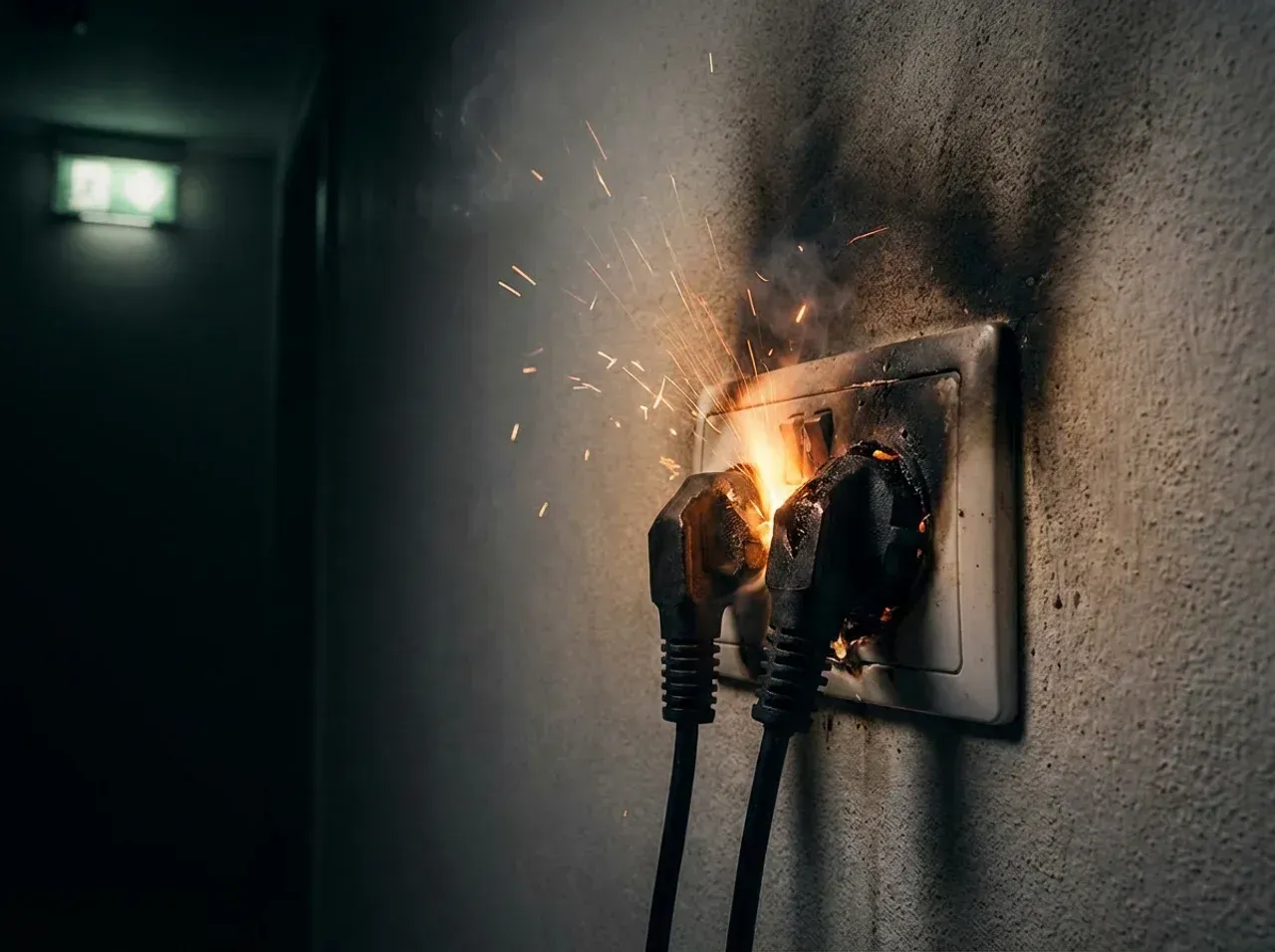
With heating, poor installation can lead to cold rooms, uneven temperatures, noisy radiators, boiler faults and wasted energy. With electrics, mistakes can create a much more serious risk, including shocks, overheating, appliance damage and fire hazards.
Proper planning also matters for future use. A home that has too few sockets, awkward switches, badly positioned radiators or limited heating controls can quickly become frustrating to live in.
In short, good installation saves hassle. Poor installation creates it.
Mistake 1: Choosing the Wrong Heating System Size
One of the most common heating installation mistakes is choosing a boiler, radiator setup or heating system that is not properly matched to the home.
If a system is too small, it may struggle to heat the property properly. Rooms can take too long to warm up, hot water may be inconsistent, and the boiler may be pushed harder than it should be.
If a system is too large, that can also cause problems. Oversized systems may cycle on and off too often, which can reduce efficiency and place unnecessary strain on components.
The best way to avoid this is to have the property assessed properly before installation. A professional should consider the size of the home, number of rooms, insulation, windows, hot water demand, radiator sizes and household usage.
Guesswork is not good enough when it comes to heating.
Mistake 2: Poor Radiator Placement
Radiator placement has a big impact on how well a room heats up. A radiator hidden behind a sofa, covered by long curtains, or fitted in an awkward position will not work as effectively as it should.
Blocked radiators stop warm air circulating around the room. This can make the heating system work harder while still leaving the space feeling chilly.
Radiators should be positioned where heat can move freely. Furniture should not be pushed directly against them, and curtains should not hang over them. It is also worth checking whether radiators are the right size for each room, especially after extensions, layout changes or insulation upgrades.
A radiator may be working, but that does not always mean it is working well.
Mistake 3: Putting Thermostats in the Wrong Place
A thermostat needs to read the room temperature accurately. If it is placed in the wrong spot, your heating system may switch on or off at the wrong time.
Common thermostat placement mistakes include fitting it near a draughty door, in direct sunlight, too close to a radiator, near a fireplace, or in a room that is rarely used.
For example, if a thermostat is placed in a warm sunny hallway, it may tell the heating to switch off before the rest of the house has reached a comfortable temperature. If it is placed in a cold draughty spot, it may keep the heating running for longer than needed.
To avoid this, thermostats should be placed in a sensible, central location that reflects the normal temperature of the home. Smart controls and zoned heating can also help manage different areas more effectively, especially in larger properties.
Mistake 4: Ignoring Boiler Servicing and Ventilation
A boiler installation is not something you fit and forget. Regular servicing is important for safety, reliability and performance.
Skipping boiler servicing can allow small issues to develop into bigger faults. It can also increase the risk of poor combustion, ventilation problems and carbon monoxide concerns.
Ventilation is another area that should never be ignored. Boilers, gas appliances and certain heating systems need the right airflow and flue setup to operate safely. Blocking vents, boxing in appliances incorrectly or altering surrounding building work without advice can create serious issues.
Gas work should always be carried out by a Gas Safe registered engineer. It is not a DIY job, and it is not an area where shortcuts are worth taking.
Mistake 5: Setting Heating Controls Incorrectly
Even a good heating system can perform badly if the controls are not set up properly.
Common control mistakes include using one setting for the whole house, leaving unused rooms fully heated, setting timers that do not match your routine, or running the boiler at unnecessarily high temperatures.
Modern heating controls are designed to give you better management over when and where heat is used. Timers, thermostats, programmer settings and thermostatic radiator valves can all help make the home more comfortable and efficient.
The key is understanding how to use them. A professional installer should explain the controls clearly after installation, not leave you guessing.
Mistake 6: Overloading Electrical Circuits
Overloaded circuits are one of the most common electrical installation problems. This often happens when a home does not have enough sockets, or when high-demand appliances are added without checking whether the circuit can handle the load.
Kettles, ovens, heaters, tumble dryers, washing machines and other powerful appliances need proper planning. Plugging too many items into extension leads or relying on overloaded sockets is not safe.
A well-planned electrical installation should consider how each room is actually used. Kitchens, home offices, utility rooms and entertainment areas often need more sockets than people expect.
If you regularly rely on extension leads, that is usually a sign your electrical layout needs reviewing.
Mistake 7: Using the Wrong Cable or Poor Connections
Electrical wiring must be suitable for the job. Using the wrong cable size, poor-quality materials or incorrect connections can lead to overheating, faults and serious safety risks.
Loose connections are another major issue. A connection that is not secure can create heat, arcing and intermittent faults. These problems may not be obvious straight away, but they can become dangerous over time.
Electrical installations in UK homes must be completed in line with relevant safety standards and building regulations. For notifiable work, the correct certification and sign-off may also be required.
This is why electrical work should be handled by a qualified professional. It is not just about making something work. It is about making sure it works safely.
Mistake 8: Not Planning Enough Sockets
Not having enough sockets may sound like a small inconvenience, but it can lead to unsafe habits.
When sockets are limited, people often rely on extension leads, multi-plug adaptors and daisy-chained cables. This can increase the risk of overheating and create clutter around the home.
Socket planning should be part of any renovation, rewire, extension or room upgrade. Think about how the room will be used now and in the future.
A kitchen may need sockets for everyday appliances. A bedroom may need charging points, lamps and work-from-home equipment. A living room may need power for a television, router, lamps and entertainment systems.
Good planning makes the home safer and easier to live in.
Mistake 9: Skipping RCD Protection and Safety Devices
Modern electrical safety devices are there for a reason. RCDs, RCBOs and surge protection devices can help protect people, circuits and appliances.
Older consumer units may not provide the same level of protection as modern systems. If your home has not had its electrics checked for a long time, it may be worth arranging an inspection.
Bathrooms, kitchens, outdoor areas and utility spaces need particular care because water and electricity are a dangerous mix. Any electrical work in these areas should be completed by a qualified electrician who understands the relevant safety requirements.
Safety protection should never be treated as an optional extra.
Mistake 10: Treating Regulations as an Afterthought
Heating and electrical installations in the UK are subject to regulations for good reason. They help protect homeowners, tenants, tradespeople and future buyers.
For electrics, work may need to comply with Part P of the Building Regulations and relevant wiring standards. For gas work, a Gas Safe registered engineer must be used. For certain installations, certificates, notifications or inspection reports may be required.
Ignoring regulations can cause problems later, especially when selling or renting a property. It can also affect warranties, insurance and safety.
The best approach is simple: get the right person for the job and make sure the work is properly documented.
How to Avoid Heating and Electrical Installation Problems
The easiest way to avoid most installation mistakes is to plan properly before work begins.
Do not choose a heating system based on guesswork. Do not add sockets or circuits without considering load. Do not hide radiators behind furniture. Do not move thermostats without understanding how they read temperature. And please, do not attempt gas or major electrical work yourself.
Before starting a project, ask these questions:
Is the system suitable for the size and layout of the home?
Will the work meet UK safety standards?
Does it need certification or sign-off?
Are the electrics, plumbing and building work being planned together?
Will the installation still work well in five or ten years?
A good tradesperson will not just install what you ask for. They will explain what is safe, suitable and practical for your property.
When Should You Get an Electrical Inspection?
An Electrical Installation Condition Report, often called an EICR, checks the condition of your electrical system and identifies potential safety issues.
You may want to arrange an inspection if your home is older, you have recently bought a property, your electrics trip regularly, sockets feel warm, lights flicker, or you are planning renovation work.
Landlords also have specific responsibilities around electrical safety, so professional checks are especially important for rental properties.
An inspection can give you peace of mind and help catch problems before they become more serious.
How ONit Building Services Can Help
At ONit Building Services, we know that home improvements can feel overwhelming when different trades are involved. Heating, plumbing, electrics and building work often overlap, so it helps to have a reliable team that understands the bigger picture.
We provide professional electrics, plumbing and general building services with a focus on quality, reliability and great customer service.
Whether you need help with electrical upgrades, boiler repairs, plumbing work, a rewire, renovation support or general property improvements, our skilled team is always ONit.
We help take the stress out of property maintenance, so you can get back to what matters.
FAQs
What is the most common heating installation mistake?
One of the most common mistakes is installing a heating system that is not properly matched to the property. If the system is too large or too small, it can affect comfort, performance and efficiency.
Why is thermostat placement important?
Thermostat placement matters because it controls when your heating turns on and off. If it is placed near draughts, sunlight or heat sources, it may give inaccurate readings and make your heating less effective.
Can I do electrical installation work myself?
Simple tasks may be possible for competent homeowners, but major electrical work should always be carried out by a qualified electrician. Work involving new circuits, consumer units, bathrooms, kitchens or outdoor electrics needs particular care and may require certification.
What are the signs of poor electrical installation?
Warning signs can include flickering lights, frequent tripping, buzzing sockets, warm switches, burning smells, damaged cables, overloaded extension leads or sockets that do not work properly. These should be checked by a professional.
Why should I avoid overloading sockets?
Overloaded sockets and extension leads can overheat and create a fire risk. If you do not have enough sockets for how you use a room, it is better to have additional sockets installed professionally.
How often should a boiler be serviced?
Most boilers should be serviced annually by a Gas Safe registered engineer. Regular servicing helps support safety, reliability and efficient performance.
How can ONit Building Services help with heating and electrical work?
ONit Building Services can help with electrics, plumbing, boiler repairs, rewiring, renovations and general building work. Our team delivers reliable workmanship and practical advice to keep your home safe, comfortable and efficient.
Heating and electrical installation mistakes can cause far more than minor inconvenience. They can affect safety, comfort, performance and the long-term condition of your home.
The good news is that most problems are avoidable with proper planning, qualified tradespeople and careful installation.
Choose the right system size. Keep radiators clear. Place thermostats sensibly. Do not overload sockets. Use the correct wiring. Make sure safety devices are in place. And never ignore UK safety requirements.
For expert support with electrics, plumbing, boiler repairs or general building work, ONit Building Services is ready to help. We are always ONit, delivering workmanship you can trust, on time and with care.